Fresh food
Fresh food vending for offices: how it works
Sandwiches, salads, and yogurt in an unattended cooler sound risky until you see the mechanics — cold chain, rotation, and demand data working together to keep the shelf both fresh and stocked.
The cold chain makes it viable
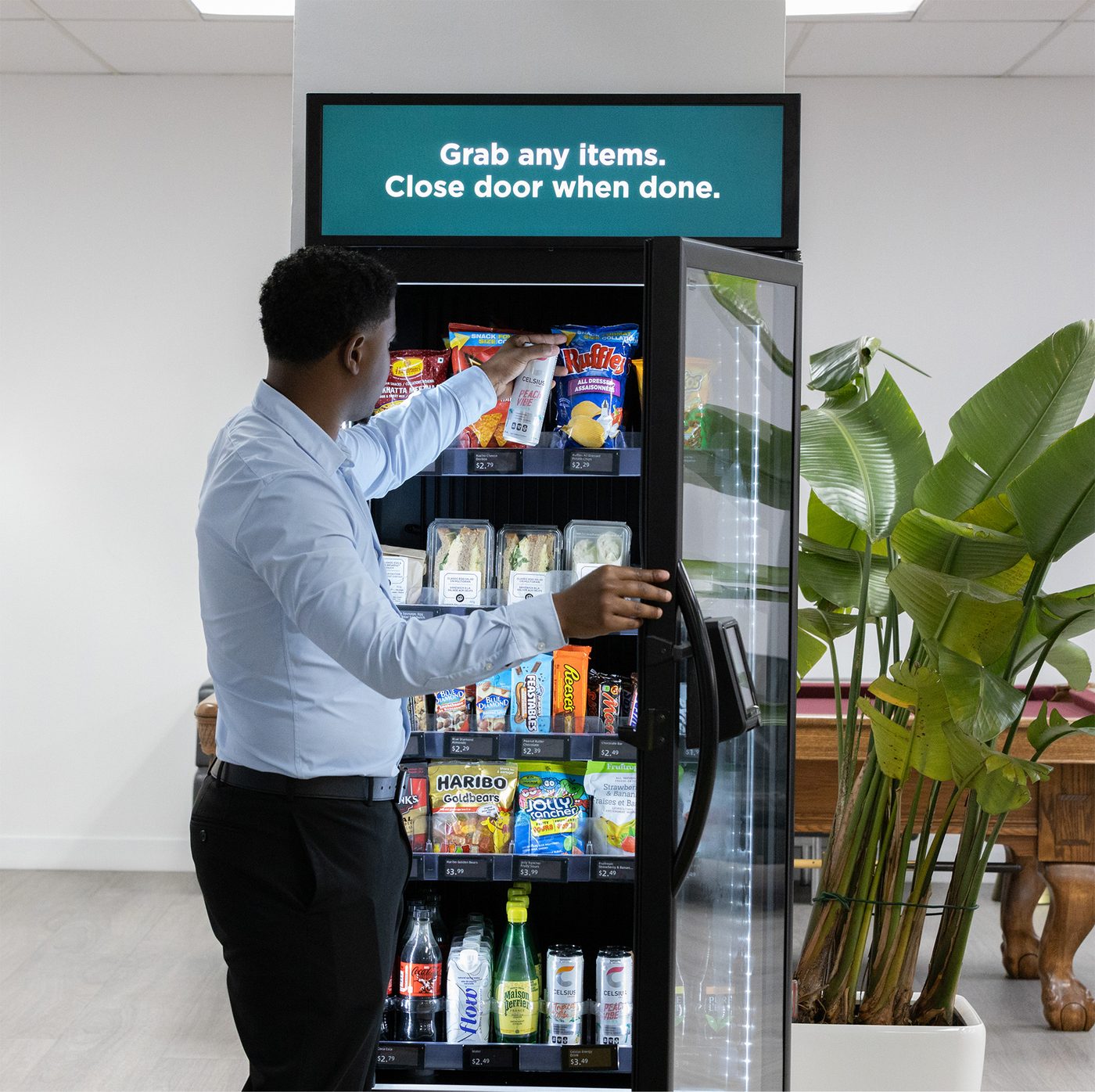
Fresh food only works unattended if the temperature never breaks. A refrigerated AI cooler holds a constant temperature the same way a convenience store case does, and because the unit is networked, temperature and door activity are visible remotely rather than something someone has to check by hand. If anything drifts out of range, it gets flagged before it becomes a food safety issue rather than after.
That constant, monitored cold chain is really the whole reason fresh food in vending has become realistic. A decade ago, "fresh" vending mostly meant shelf-stable snacks. A properly refrigerated, monitored cooler changes what can safely sit on a shelf all day.
Realistic shelf life by category
Shelf life varies a lot by product type, and it’s worth being honest about general ranges rather than promising a specific number of days that varies by vendor and recipe. Sandwiches, wraps, salads, and bowls are the shortest window — typically a few days refrigerated. Cut fruit is similar. Yogurt and parfaits hold longer, often a week or two. Frozen meals last by far the longest since they’re frozen rather than refrigerated, giving weeks to months of runway.
Date-based rotation and pull rules
Every fresh item goes in with a pull date attached, and the restocking route checks dates on every visit — not just what’s empty. Product approaching its pull date gets pulled before it reaches the shelf life limit, rather than left to expire in place. New stock rotates in behind older stock, the same first-in-first-out discipline a grocery cooler uses.
Demand data reduces spoilage
Because every cooler reports what sold and when, the restocking plan for each site adjusts to actual demand instead of a fixed guess. A site that sells out of salads by Wednesday gets more salads; a site where wraps sit all week gets fewer wraps and more of what people are actually buying. That feedback loop is what keeps spoilage down as the fresh mix grows.
Who absorbs the waste
Flyby does. On the standard no-cost placement model, spoiled or unsold perishable product is an operator cost, not something that shows up as a charge to your site. That’s also exactly why the fresh food selection starts conservative: a small set of items with a track record of selling well, rather than a full deli case on day one that’s more likely to go to waste while we’re still learning the site’s actual demand.
How the mix ramps over the first few weeks
The first stock is intentionally cautious — proven sellers in small quantities. Over the following weeks, sales data from that specific site drives the next round of additions: more of what’s moving, less of what isn’t, and gradual introduction of new categories once there’s confidence they’ll sell through before their pull date. By the time the mix stabilizes, it reflects what that particular office actually wants, not a generic starting menu.
What makes a site a good fresh-food candidate
The same fundamentals that qualify a site for a Micromart placement apply here, plus a bit more: enough daily traffic to move perishable product before it ages, consistent on-site hours so people are actually around to buy lunch, and reliable power and connectivity so the cooler’s monitoring stays live. Sites that check those boxes are exactly where fresh food performs best.
Shelf life by category (general ranges)
Frequently asked questions
Can fresh food actually stay safe in an unattended cooler?
Yes — the cold chain is maintained continuously by the refrigerated unit itself, the same way a convenience store cooler works, and the cooler is monitored so temperature and door activity are visible remotely.
How long does fresh food actually last on the shelf?
It depends on the category. Sandwiches, wraps, salads, and cut fruit generally last a few days refrigerated; yogurt and parfaits last longer; frozen meals last much longer. Product is pulled and rotated well before any of these windows run out.
Who pays for food that doesn’t sell in time?
Flyby does. On the standard no-cost placement model, spoilage is an operator cost, not something billed back to the site. That’s exactly why the fresh food mix starts conservative and expands as real sales data comes in.
How does the fresh food selection change over time?
It ramps. We start with a small, safe set of proven sellers, watch what actually moves in the first few weeks, and expand the mix based on that data — rather than guessing at a full fresh menu on day one.
What makes an office a good fit for fresh food?
Enough regular daily traffic to move perishable product before it ages out, consistent hours where people are on-site to buy lunch or a snack, and reliable power and connectivity so the cooler and its monitoring stay online.
Find out if your office qualifies for fresh food
Tell us your headcount and hours and we’ll tell you plainly whether fresh food makes sense at your site from day one or after a ramp-up period.
Tell us about your site.
If you're a fit, we'll be in touch within one business day to schedule a quick site review.
No-cost placement review for qualified locations.
Lead goes straight to our team.
Exclusive Micromart placement only.
Serving Dallas–Fort Worth
Flyby places and services machines across the Metroplex. Start with your city or the service that fits your building.
- Office vending serviceManaged vending and micro markets for DFW workplaces.
- Warehouse vending serviceRound-the-clock options for industrial and logistics sites.
- Apartment vending machinesOn-site convenience for multifamily communities.